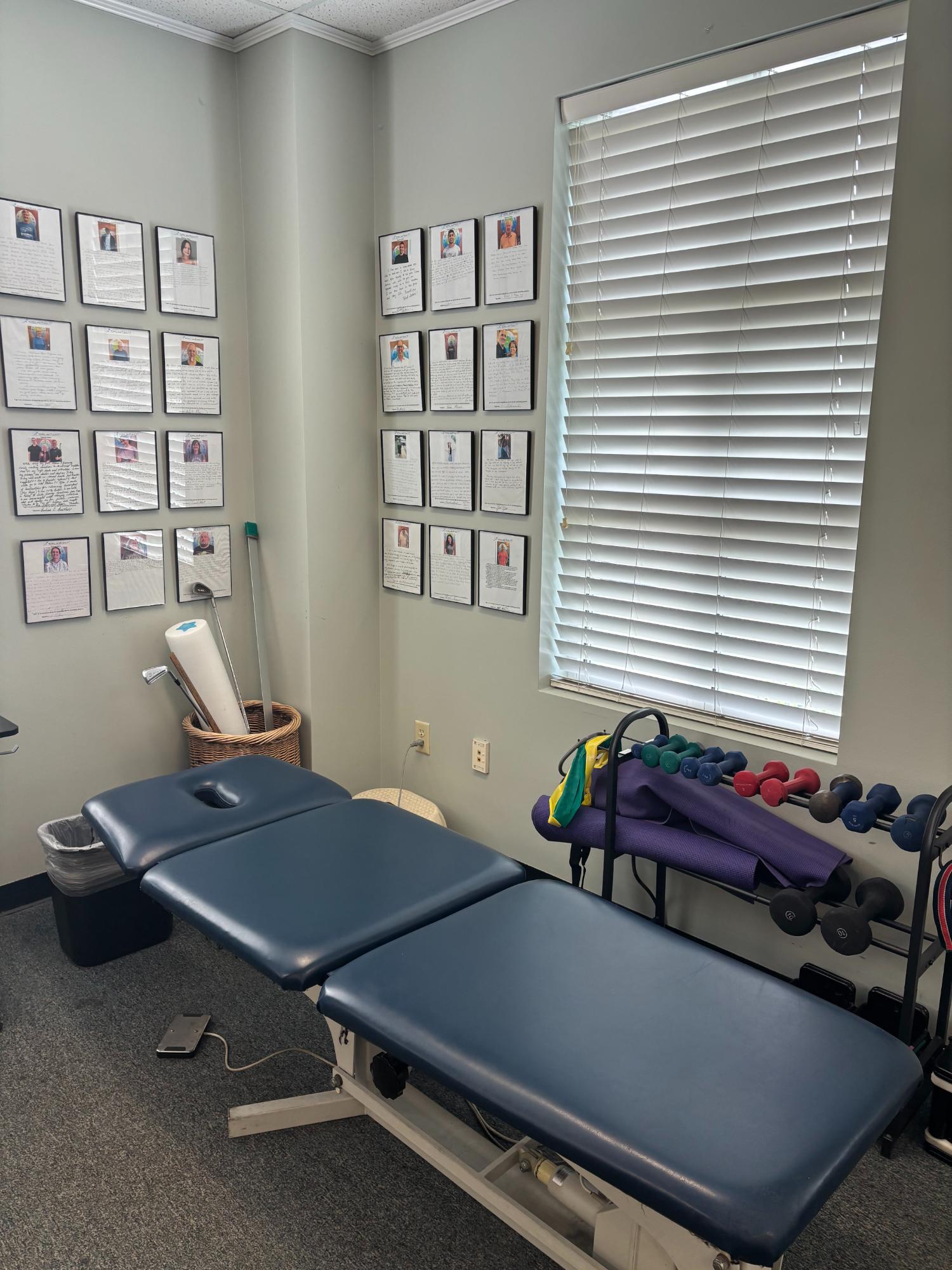
Total Motion Release Physical Therapy in Raleigh, NC
Fix the Cause, Not Just the Pain
Most physical therapy works by pushing movement into painful, restricted areas. Total Motion Release does the opposite — and that's why it works when traditional PT doesn't. Developed right here at this clinic and now taught to over 5,000 clinicians worldwide, TMR is the foundation of every treatment at Total Motion Physical Therapy.
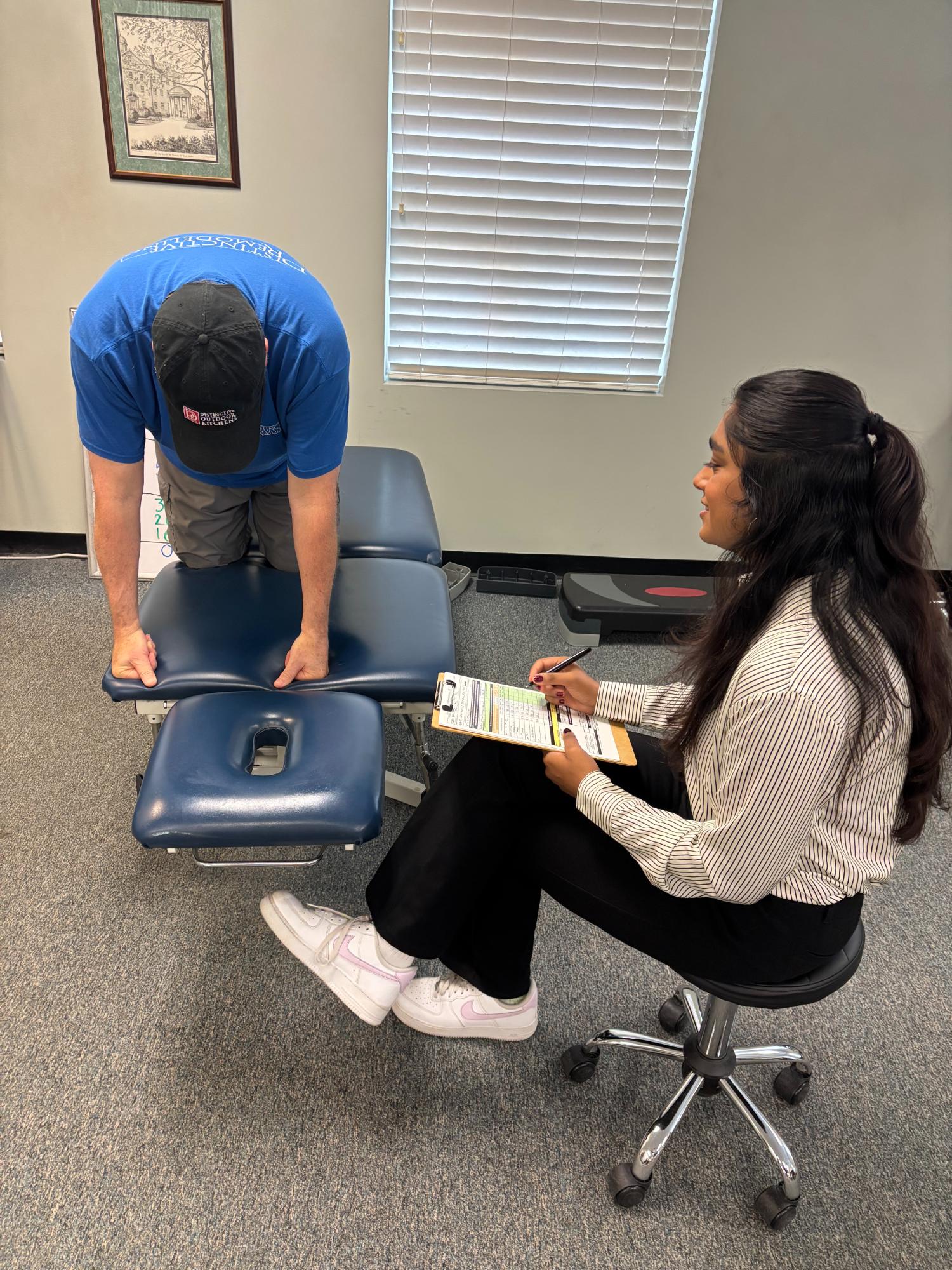
What Keeps Happening When Treatment Only Addresses the Symptoms
The Pain Comes Back Because the Cause Was Never Fixed
When a therapist works directly on the painful area — stretching it, strengthening it, applying heat — it may feel better temporarily. But the mechanical imbalance causing the pain is still there. The pain returns because nothing changed at the source.
Traditional PT Can Make You Work Into Pain
Most PT approaches work by forcing range of motion into the restricted, painful area. This can be slow, uncomfortable, and demoralizing — especially when you've been through it before without lasting results.
You Leave Without the Tools to Stay Better
Traditional PT often makes patients dependent on their therapist for relief. When discharge comes, the tools to prevent recurrence come with it — if they come at all. Most don't. With TMR, leaving with a self-treatment skill set is a core goal from day one.
How Total Motion Release Works — and Why It's Different
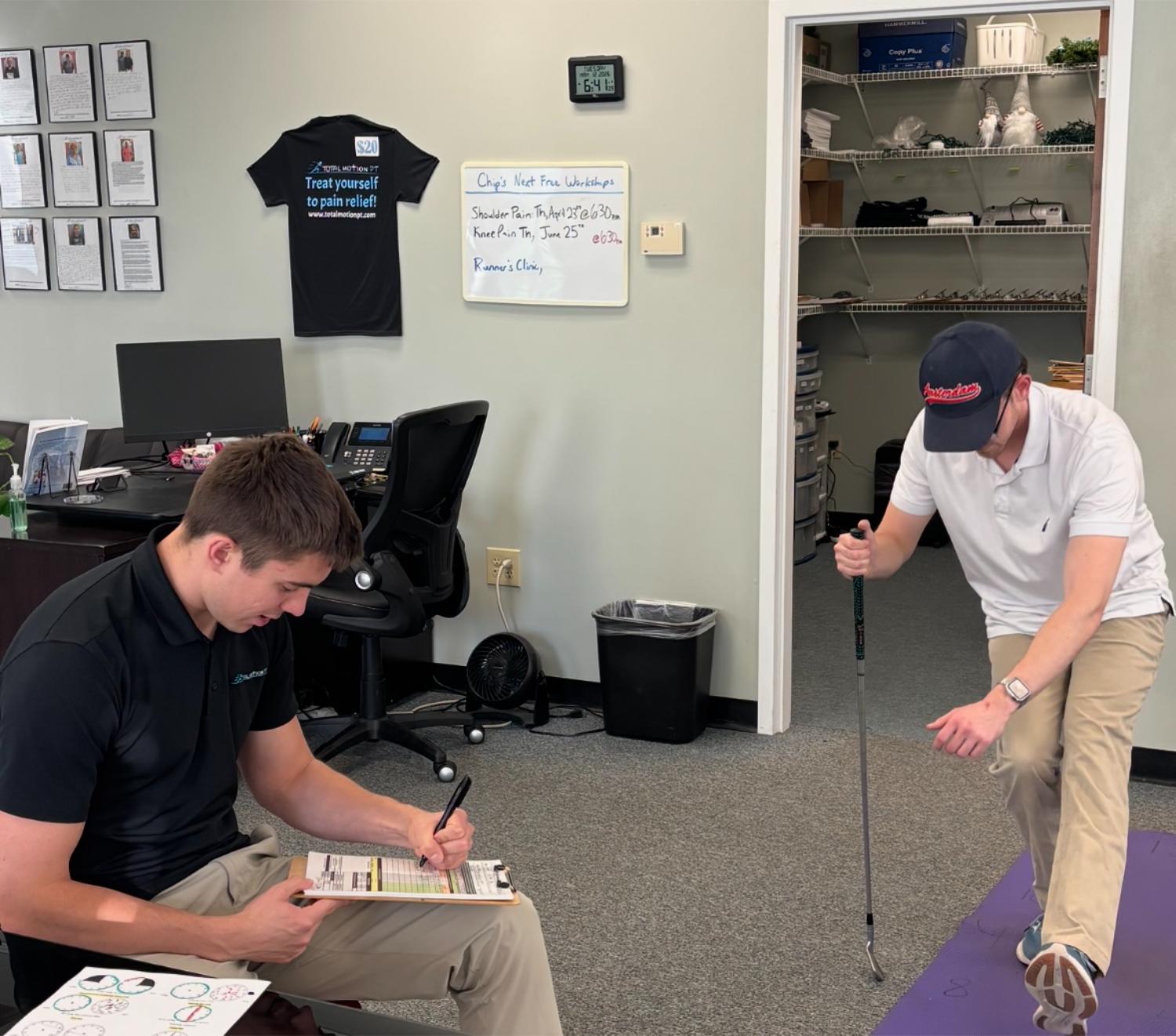
When pain limits movement, the central nervous system responds by locking down motion across the body. TMR identifies a pain-free motion on the opposite side and mobilizes it. The nervous system resets, the restriction releases, and range of motion is restored — with almost immediate relief in many cases. It's not a theory. It's a testable, repeatable clinical result, backed by peer-reviewed research across multiple conditions and populations.
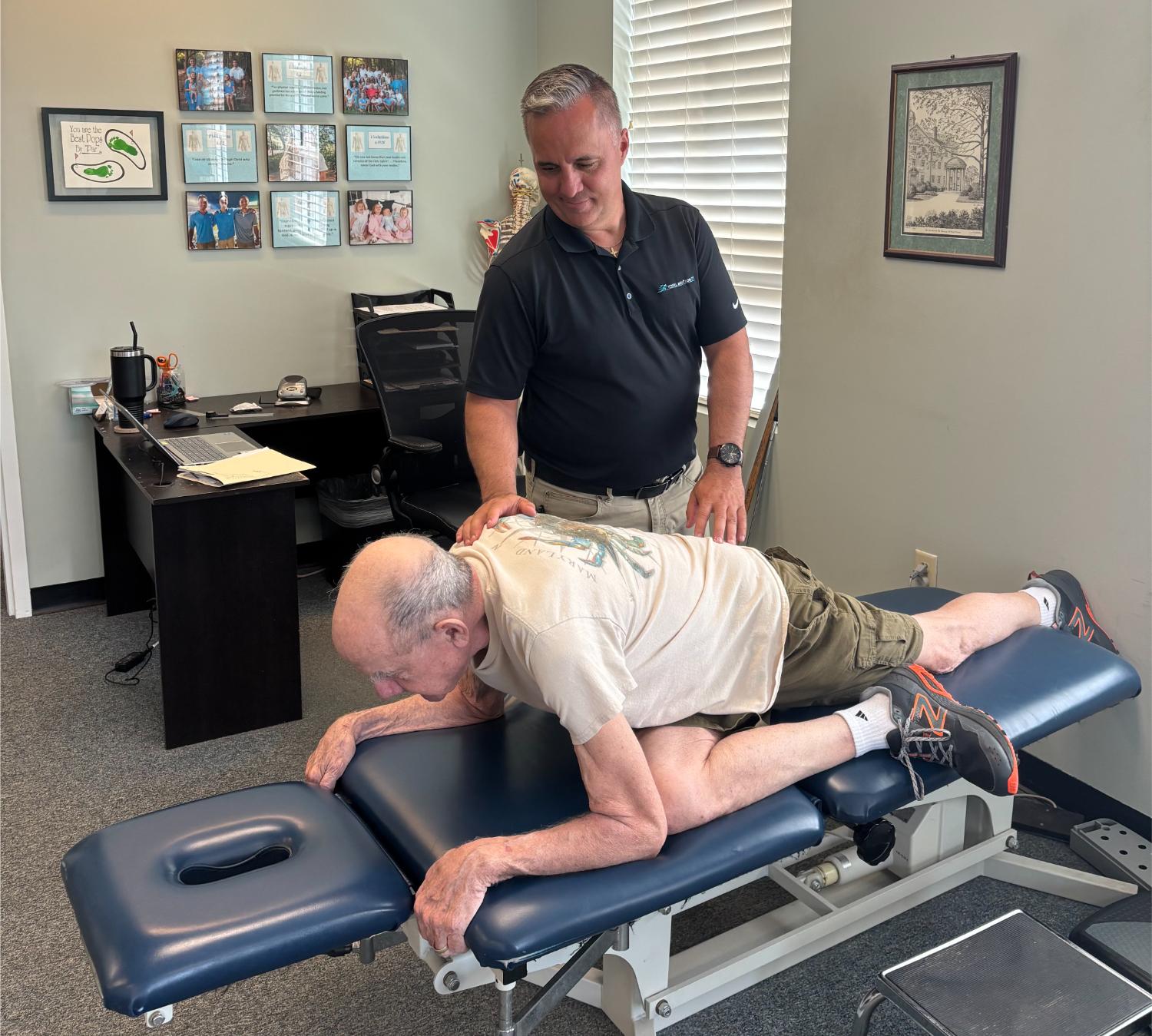
TMR Works Across a Wide Range of Pain and Movement Issues
TMR has peer-reviewed research supporting its effectiveness across conditions including hamstring tightness, acute neck pain, frozen shoulder, and range of motion in competitive athletes. It's not limited to a single injury type — it's a framework for how the body actually works.
Recurring or persistent low back pain and sciatica
Neck pain that hasn't resolved with traditional PT or rest
Frozen shoulder and rotator cuff pain
Hip, knee, and ankle pain that keeps returning
Headaches and TMJ pain with a movement component
Post-surgical recovery — faster return to function
Sports and overuse injuries that have plateaued in recovery
Any musculoskeletal condition where prior treatment fell short
Getting Started Is Simple
Contact the Clinic
Reach out by phone or through the form on our Contact page. Tamara or Deanna will confirm your appointment quickly.
Meet with Your TMR Therapist
Your first visit includes a comprehensive physical assessment and the start of your personalized TMR treatment plan. Most patients feel improvement before they leave.
Follow the Plan and Stay Pain-Free
Work through your TMR program to relieve pain, address the root cause, and learn the self-treatment skills that keep it from coming back.
What Patients Say After Experiencing TMR at Total Motion PT
357 five-star Google reviews — many from patients who found TMR after years of failed treatment elsewhere. Here's what they experienced.


Frequently Asked Questions
Common questions about Total Motion Release — how it works, what to expect, and why it gets results when other approaches haven't.
How does treating a non-painful area fix my painful one?
When pain limits movement, the central nervous system locks down motion across the entire body — not just the painful area. TMR identifies a pain-free motion on the opposite side of the body and mobilizes it. This allows the nervous system to rapidly reset and restore range of motion on the restricted side, often with immediate relief.
Is Total Motion Release evidence-based?
Yes. TMR is supported by multiple peer-reviewed, published studies across a range of conditions and populations, including hamstring tightness, acute neck pain, frozen shoulder, and range of motion in swimmers and baseball athletes. It is a physical therapy technique — not an alternative medicine approach.
Who developed Total Motion Release?
TMR was created around 2002 by physical therapist Tom Dalonzo-Baker and co-developed with Chip Moseley, PT, OCS, CSCS — right here at this clinic. Chip has been at Total Motion Physical Therapy for nearly two decades and continues to use and advance the technique with every patient he sees.
How quickly will I feel results?
Many patients feel meaningful improvement during or immediately after their first session. The three goals of every TMR episode are: significant symptom relief targeting 75–90% reduction, addressing the root mechanical cause permanently, and giving you the self-treatment basics to maintain results going forward.
Do I need a referral to get started?
In most cases, no. North Carolina allows direct access to physical therapy without a physician referral for most patients. If your insurance or situation requires a referral, our team can help you navigate that before your first visit. Call us and we'll walk you through it.
Still have questions?
Want to know if TMR is the right approach for what you're dealing with? Call us at (919) 872-2828 or send us a message — we're happy to answer your questions before you commit to anything.
Experience the Difference TMR Makes. Book Your Evaluation.
Most patients feel better after their first visit. Book your evaluation and find out why TMR gets results that other approaches haven't delivered.